Chimney Tuckpointing in Thunder Bay
Chimney tuckpointing — often called repointing — means removing deteriorated mortar joints and refilling them with a compatible new mix before water reaches deeper into otherwise sound masonry.
- Photo-based estimates
- Masonry, crowns and leaks
- Thunder Bay and nearby areas
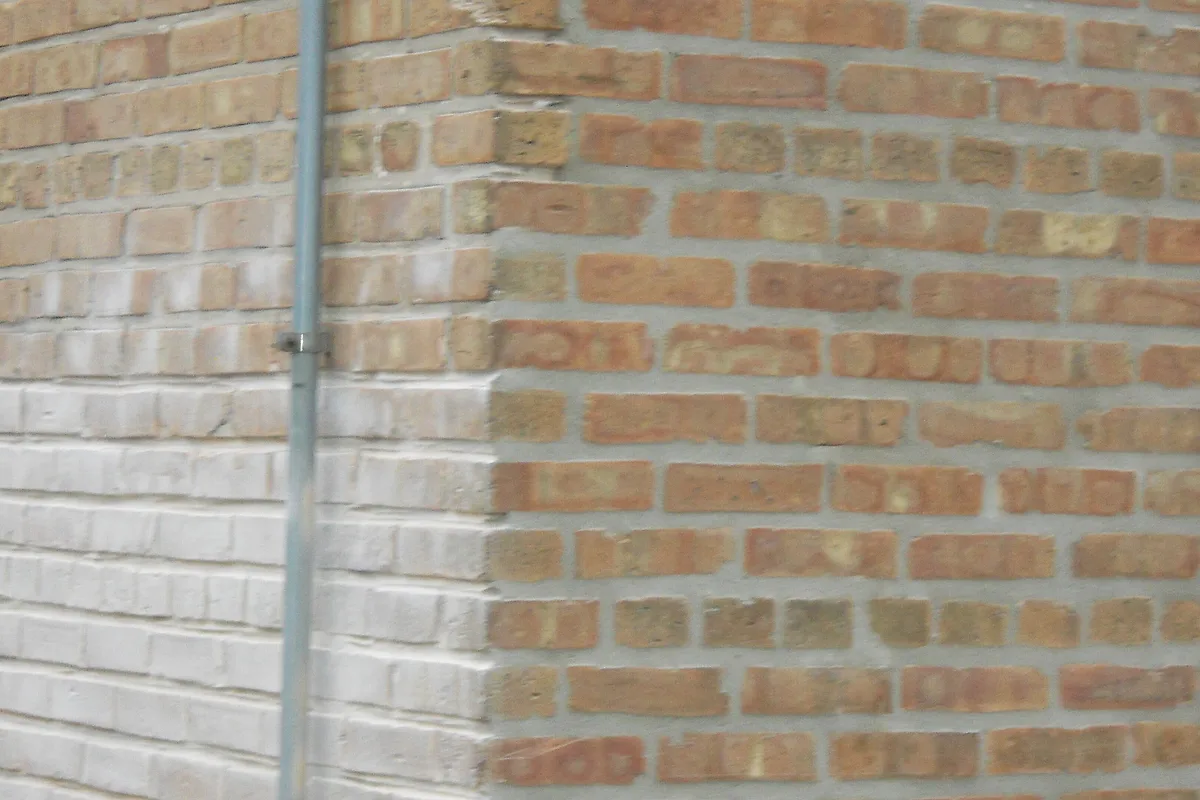
Signs you need tuckpointing
- Crumbling mortar joints The lines between the bricks flake and fall away.
- Open or recessed joints Mortar has fallen back from the brick face, leaving visible gaps.
- Mortar dust along the base Loose grit collects where the joints are letting go.
- Sound brick, failing joints The bricks are still solid but the lines between them are gone.
- Damp near the chimney indoors Open joints may be one path for water, though the crown, flashing and surrounding roof should be checked too.
Why mortar joints fail here
Mortar is softer than the brick around it, so it gives out first. Water sits in the joints, and dozens of freeze-thaw cycles each winter break it down a little more. The most exposed side often deteriorates first.
- Water sitting in the joints Open or hairline joints hold moisture against the mortar.
- Freeze-thaw every winter Each freeze expands that water and crumbles the joint from inside.
- Aging mortar Older mortar often wears down before sound brick begins to fail.
What tuckpointing includes
- Inspection of the mortar joints on every side
- Grinding out failed mortar to a sound depth
- Cleaning the joints before new mortar goes in
- Selecting a compatible mortar mix, with the colour and texture matched as closely as practical
- Repointing and tooling the joints to follow the existing joint profile as closely as practical
- Site protection and cleanup
Tuckpointing options
Spot repointing
A few failed joints in one area are ground out and refilled.
Full-side repointing
Most or all failed joints on one exposed side are removed and repointed together.
Repointing with brick replacement
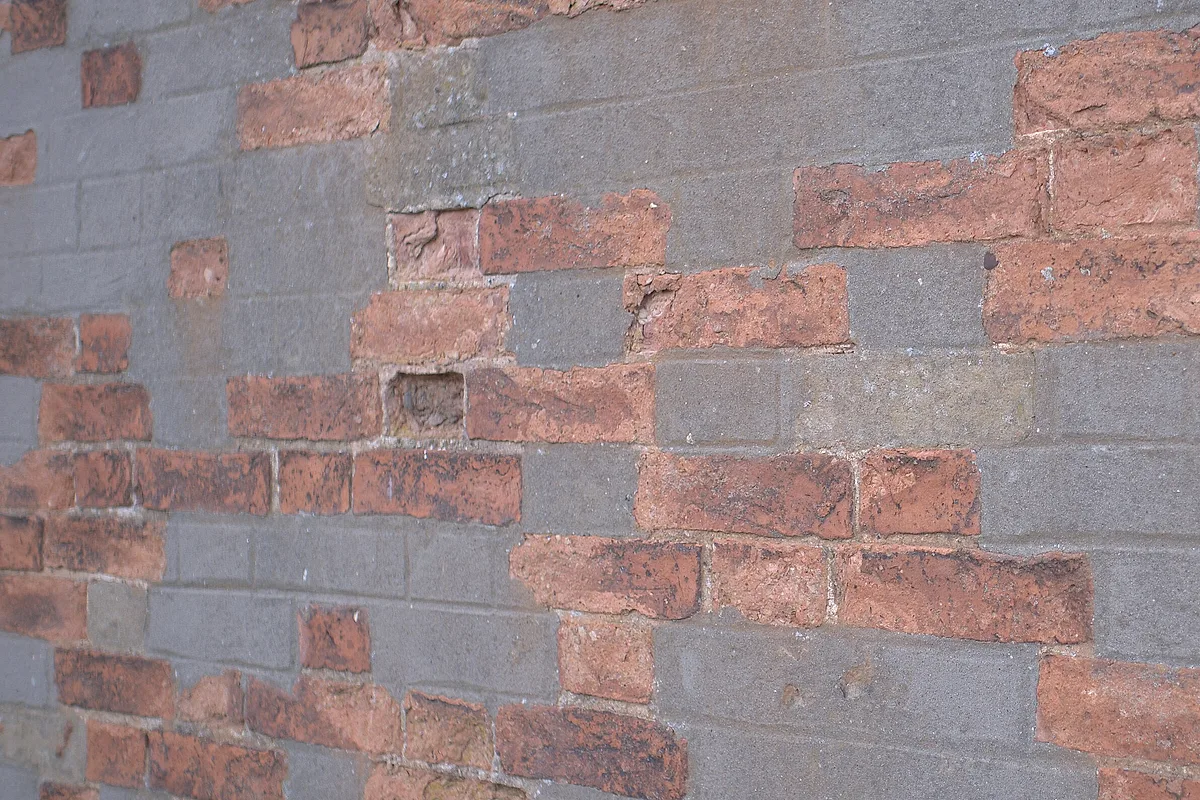
When some brick faces are gone too, the joints and the brick are handled together.
How an estimate works
-
01
Send photos
A few shots from the ground are enough to start.
-
02
Get a range
A realistic price range and repair options.
-
03
On-site check
Scope is confirmed at the property.
-
04
Work is scheduled
Timing is agreed around the weather window.
What affects the cost
Two chimneys can need very different amounts of pointing even when they look alike from the ground. These are the things that move the job from one end of a range to the other.
- Height and roof access Taller chimney stacks and steep roofs take more setup and staging.
- How much needs pointing A few joints or several full faces drive the time.
- Depth and hardness of the old mortar Harder, deeper joints take longer to grind out.
- Exposure of the affected side Weather-facing sides are worse and need more work.
- Season and weather window Temperature, precipitation and the need for cold-weather protection can affect scheduling and setup.
Every estimate stays a range until the joints are looked at up close.
Tuckpointing questions
Can't find yours? Send it with your photos.
Do I need tuckpointing or masonry repair?
If the brick is sound and only the joints are failing, tuckpointing covers it. Once the brick faces themselves are damaged, that is masonry repair.
Will the new mortar match the old?
Colour and joint profile are matched as closely as practical. A fresh joint may look lighter or more distinct at first and can become less noticeable as it cures and weathers.
How long does tuckpointing last?
Longevity depends on joint preparation, mortar compatibility, water exposure and the condition of the surrounding brick. Proper removal gives the new mortar a better bond than a thin surface application. More exposed sides may need attention sooner.
Is it urgent?
Open joints let water reach behind the brick, where it does more damage than on the face. Sorting the joints early keeps a small job small.
Get ahead of the next freeze-thaw cycle
Send a few photos of your chimney — get a clear starting point: what is urgent, what can wait, and what it is likely to cost.