Chimney Cap Installation in Thunder Bay
A cap is the metal cover over the flue opening at the top of the chimney, and it is what stops rain, snow and animals dropping straight down inside.
- Photo-based estimates
- Masonry, crowns and leaks
- Thunder Bay and nearby areas
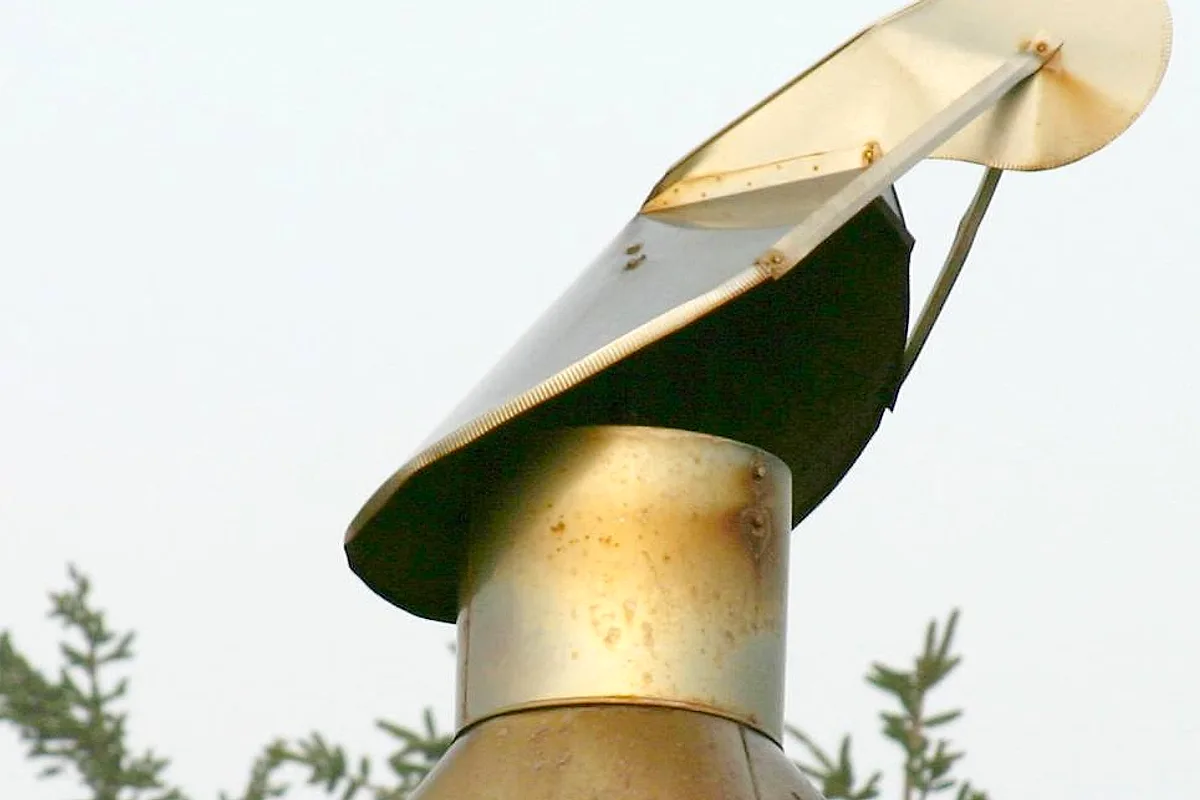
Signs you need a cap
- No cap on the flue The top of the chimney is open to the weather.
- Rain or snow coming down the flue Moisture reaches the firebox from above.
- Birds or animals in the chimney An open flue is an easy way in for nesting.
- Debris in the firebox Leaves and twigs drop straight down an uncapped flue.
- A rusted or damaged old cap Rust holes, a torn mesh panel or a cap lifting at one corner.
Why a cap matters here
The flue is the one opening left at the top of the chimney. Left uncapped, it takes rain and snow straight down, and a winter of freeze-thaw drives that moisture into everything below.
- Rain and snow straight down Whatever lands on the opening runs down onto the smoke chamber and firebox.
- Freeze-thaw below That moisture then freezes and thaws in the masonry through the winter.
- Nests and debris An open flue draws nesting birds and collects leaves, which can restrict the draught.
What a cap install includes
- Inspection of the flue and the top of the chimney
- Measuring the flue opening and checking the crown around it
- Removing a damaged old cap where there is one
- Fitting the cap square over the opening
- Fixing it down so it holds through wind and snow load
- Site cleanup
Cap options
Single-flue cap
A stock or made-to-size cap that sits over one opening.
Multi-flue or full-top cover
One cover spanning the whole top, which also keeps rain off the crown.
Cap with crown repair
When the crown under the cap is cracked too, both are handled together.
How an estimate works
-
01
Send photos
A few shots from the ground are enough to start.
-
02
Get a range
A realistic price range and repair options.
-
03
On-site check
Scope is confirmed at the property.
-
04
Work is scheduled
Timing is agreed around the weather window.
What affects the cost
A stock single cap and a made-to-measure multi-flue cover are not the same job. Size, material and access are what set where a cap lands in the range.
- Height and roof access Even a straightforward cap is fitted at the very top, so a steep roof or a tall chimney stack means more setup.
- Number and size of flues One opening or several changes both the cap and the fitting.
- What the cap sits on A sound crown takes a cap straight away, while a broken one gets sorted first.
- Material and finish Galvanized, stainless and copper are not priced the same.
- Lead time on the cap A stock size is on the shelf, a custom cover has to be made first.
Every estimate stays a range until the flue is measured up close.
Chimney cap questions
Can't find yours? Send it with your photos.
Will a cap affect how the fireplace draws?
A cap sized to the flue should not change the draw. One that is undersized, or left until the mesh clogs with soot and debris, can restrict it.
Isn't that the same as the crown?
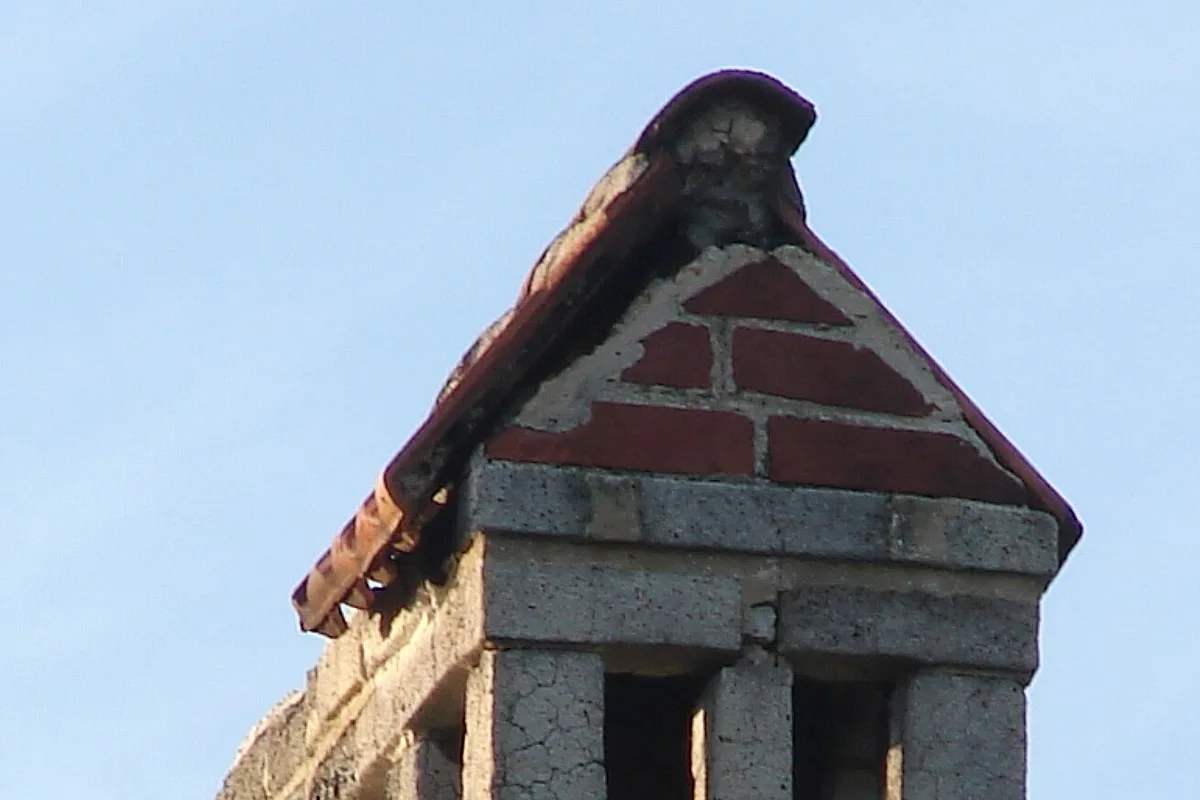
No. The crown is the concrete slab the cap sits on; the cap covers the opening in the middle of it. A cap goes on a sound crown, but a broken crown gets dealt with first.
Will a cap stop my chimney leaking?
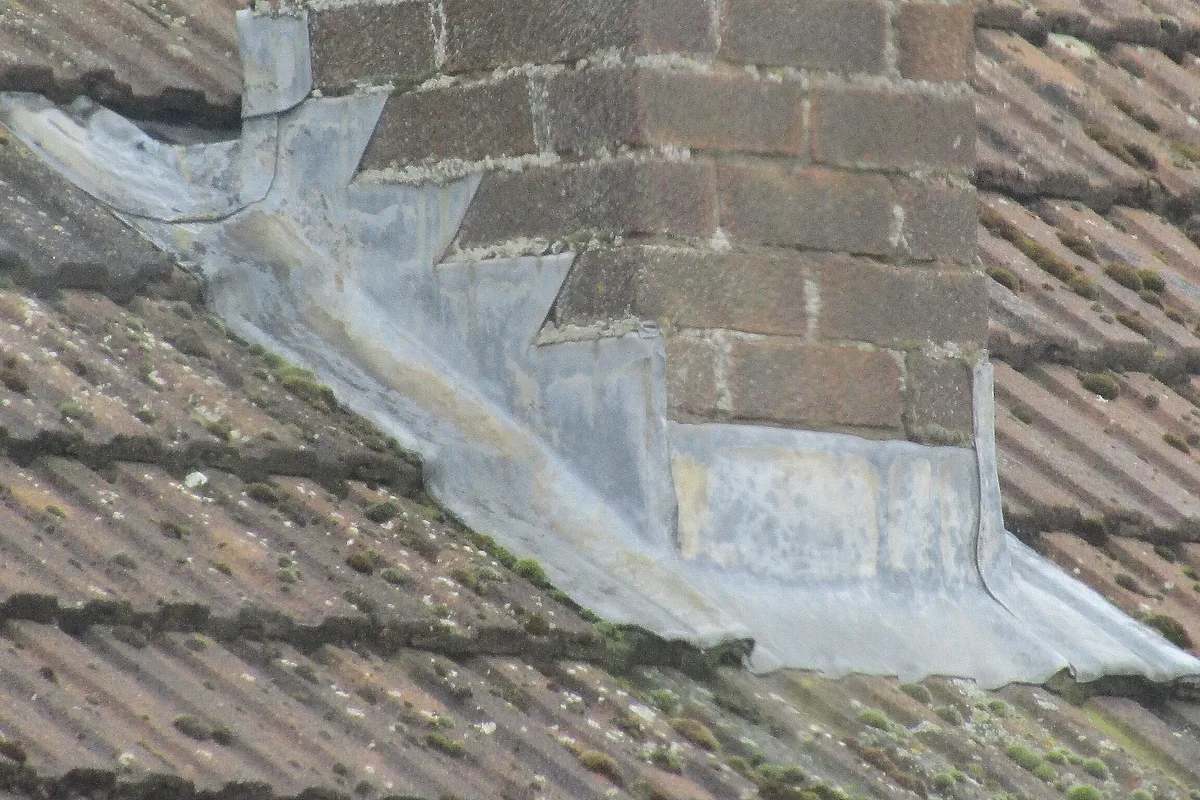
It stops water and debris coming straight down the flue, but a leak through flashing, the crown or the joints needs its own fix.
Do I need a special cap for a wood stove?
Flues used for wood burning are usually fitted with a mesh spark-arrestor cap, and the right size depends on the flue.
Get ahead of the next freeze-thaw cycle
Send a few photos of your chimney — get a clear starting point: what is urgent, what can wait, and what it is likely to cost.